

Professional Travel Services
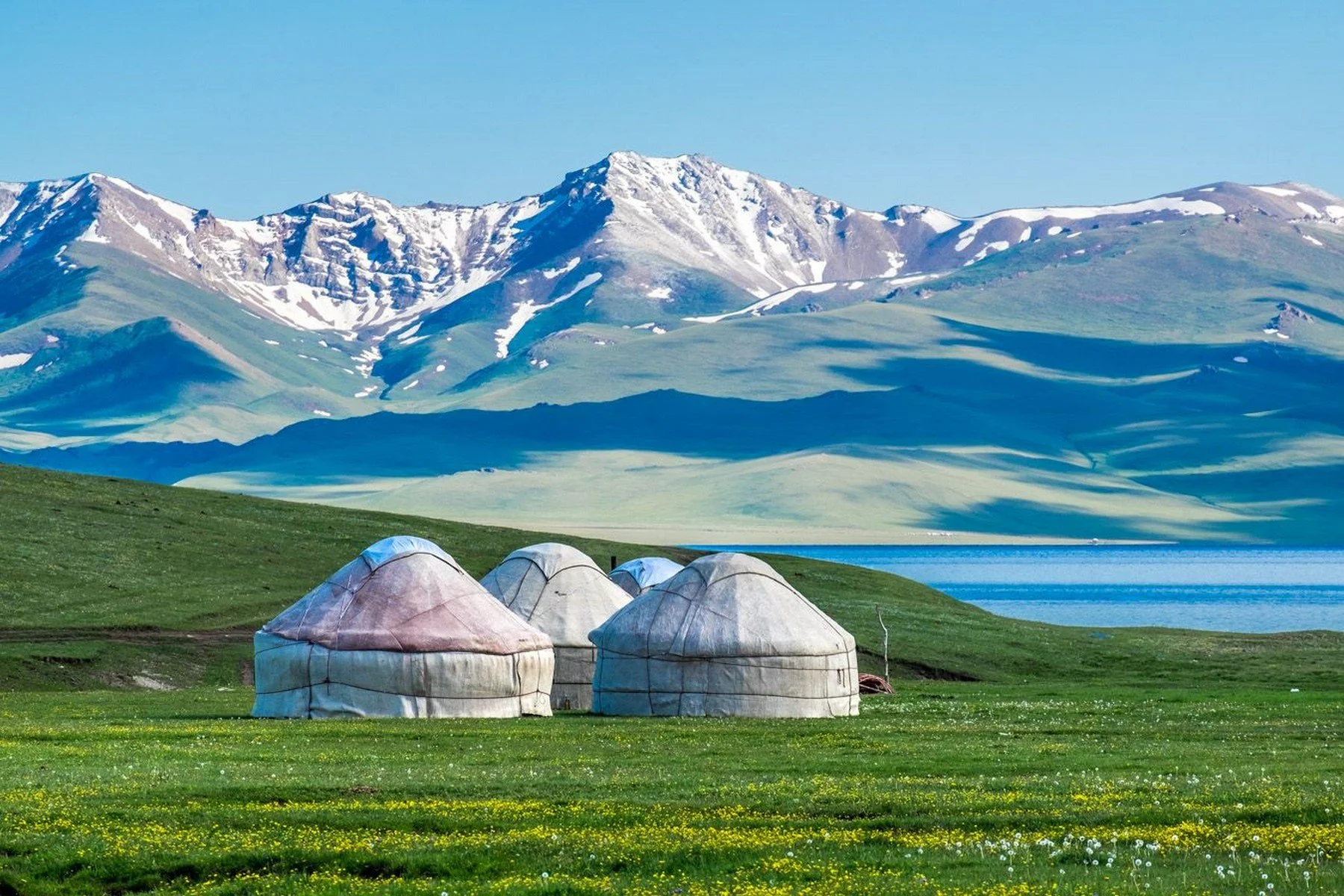
Kyrgyz
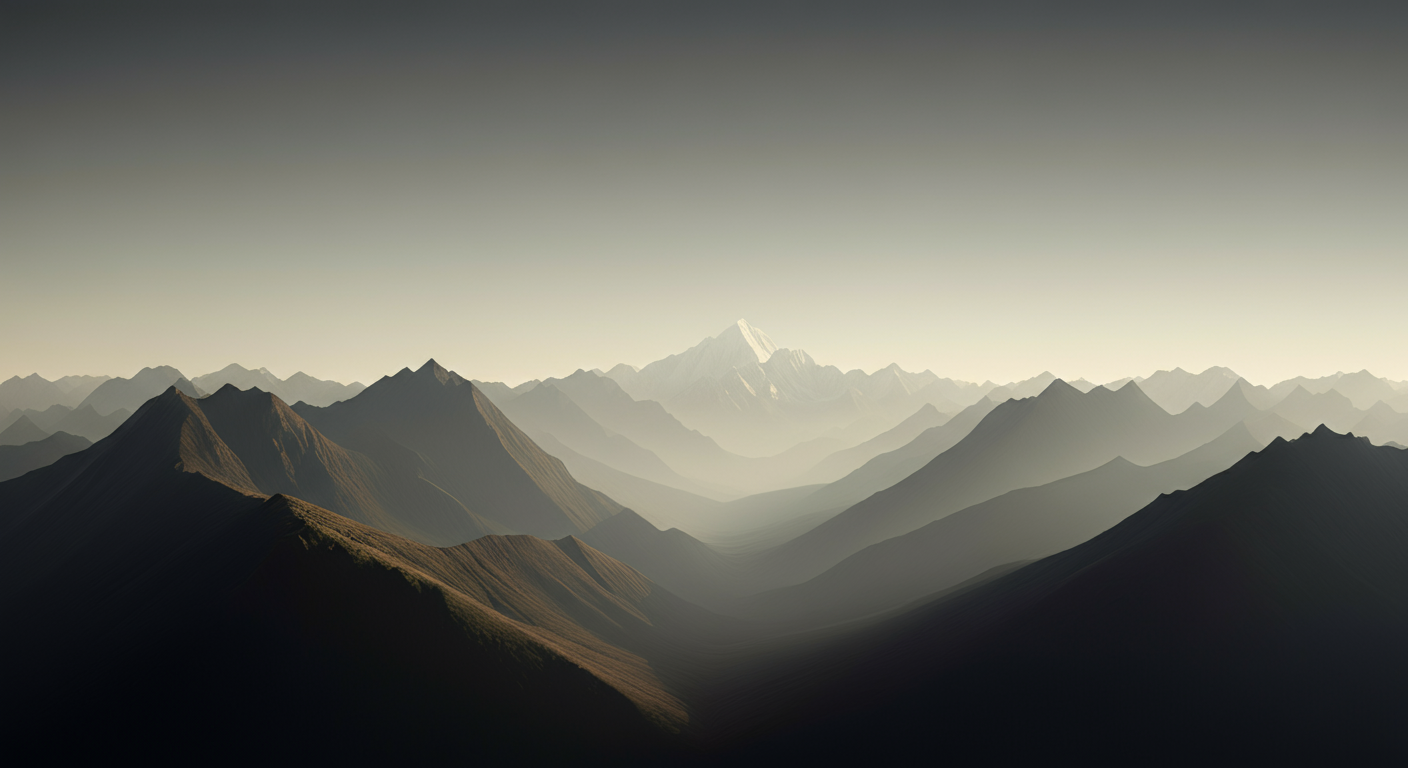
Kyrgyzstan: Your Next Adventure
Why go Kyrgyzstan is a compact, high-mountain country where nomadic culture, dramatic alpine scenery, and warm hospitality meet. It’s ideal for travelers who want active outdoor experiences—trekking, horseback riding, and camping—combined with cultural encounters in yurt camps and local markets.
When to go
Late spring to early autumn (May–October) for mountain access.
June–September are best for high-altitude trekking and alpine meadows in bloom.
Winter (December–March) offers skiing and a glimpse of rural life under snow but requires cold-weather gear and flexible transport.
Top experiences
Son-Kul and Issyk-Kul Lakes: Stay in a yurt camp on Son-Kul for a true nomadic experience; swim or relax by Issyk-Kul, the world’s second-largest saline lake.
Trekking in the Tian Shan: Routes range from day hikes to multi-day alpine treks such as Ala-Archa Gorge and Jyrgalan Valley.
Horse trekking: Ride with local guides across meadows and along mountain trails—an authentic way to travel in Kyrgyz tradition.
Peak climbs: For experienced mountaineers, peaks like Lenin Peak and Pobeda offer technical challenges (permit and guide required).
Cultural encounters: Visit Bishkek’s Osh Bazaar, and experience homestays or yurt stays in villages to learn about felt-making, eagle hunting, and Kyrgyz cuisine.
Silk Road heritage: Explore historical caravan routes, ancient petroglyphs, and the town of Karakol with its Russian Orthodox and Dungan architecture.
Practical information
Entry and visas: Many nationalities receive a visa-free stay for up to 30–90 days; check current requirements before travel.
Getting there: Manas International Airport (Bishkek) is the main international gateway. Regional flights and long-distance buses connect to neighboring countries.
Getting around: Shared minibuses (marshrutkas), private drivers, and domestic flights. Roads can be rough; 4x4 vehicles are recommended for remote areas.
Permits and guides: Certain high-altitude or border-adjacent areas may require permits; hire local licensed guides for trekking and mountaineering.
Health and safety: Altitude sickness can affect travelers above 2,500–3,000 m; acclimatize gradually. Carry basic medical supplies and travel insurance that covers evacuation. Drinking water from natural sources should be treated or boiled.
Currency and costs: Kyrgyz som (KGS). Cash is widely used outside major cities; ATMs available in Bishkek and some regional centers. Overall costs are lower than Western Europe or North America.
Language: Kyrgyz and Russian. English is common among younger guides and in tourist services in major centers.
Suggested itineraries (5–14 days)
5 days: Bishkek (city and Ala-Archa) → Issyk-Kul (relaxation or light hikes) → return to Bishkek.
8 days: Bishkek → Burana Tower and Chon-Kemin → Kochkor yurt workshop → Son-Kul overnight yurt stay → return.
10–14 days: Bishkek → Karakol (Jeti-Oguz, Altyn-Arashan hot springs) → Issyk-Kul shores → Jyrgalan trekking/horse trek → Song-Kul → return via Naryn and Burana.
Packing essentials
Layered clothing for wide temperature swings; warm down jacket for nights.
Sturdy hiking boots, trekking poles, sun protection, and water purification.
Lightweight sleeping bag for yurt camps (check with operators).
Small first-aid kit, altitude medication if advised, and insect repellent.
Responsible travel tips
Respect local customs: dress modestly in rural areas; ask before photographing people.
Support local guides, homestays, and craftspeople.
Minimize waste: carry reusable water bottle and avoid single-use plastics.
Stay on marked trails to protect fragile alpine ecosystems.
Ready to plan If you’d like, I can suggest a detailed day-by-day itinerary based on your travel dates, fitness level, and interests (trekking intensity, cultural focus, family-friendly options), or provide recommended local operators and packing lists tailored to the season.
Kyrgyzstan is calling! Forget the hustle and bustle of the city and experience relaxation amidst the Asian Alps, pristine lakes that never freeze, and sleeping in traditional yurt tents under the stars. And the best part? No visa required for GCC citizens, and the cost fits your budget!
Travel to Uzbekistan
Why go Uzbekistan offers a rich blend of Silk Road history, grand Islamic architecture, vibrant bazaars, and warm hospitality. Cities such as Samarkand, Bukhara, and Khiva showcase UNESCO-listed monuments, turquoise-tiled madrasahs, and centuries-old caravanserais. Inland deserts, fertile river valleys, and Soviets-era neighborhoods add layers to the country’s cultural and visual landscape.
When to go
Spring (April–June): Ideal weather, blooming gardens, and clear skies; busiest season.
Autumn (September–October): Mild temperatures, harvest season, fewer tourists.
Summer (July–August): Hot, especially inland; good for higher-altitude areas but expect heat in the cities.
Winter (December–February): Cold, with possible snow; fewer crowds and lower prices.
Entry and practicalities
Visa: Entry requirements vary by nationality. Many countries enjoy visa-free access or e-visa options; check current regulations before travel.
Passport validity: Typically at least six months beyond the planned departure date; confirm with official sources.
Currency: Uzbekistani som (UZS). Cash is widely used; carry small notes for markets and taxis. ATMs are common in major cities but may be limited in rural areas.
Language: Uzbek is the official language; Russian is widely spoken. Basic English is increasingly available in hotels, major tourist sites, and among younger people.
Safety: Generally safe for travelers. Exercise normal precautions: secure belongings, avoid poorly lit areas at night, and follow local advice.
Health: Tap water is generally not recommended; drink bottled water. Check routine vaccinations and any recommended travel vaccines before departure.
Getting there and around
International flights arrive mainly in Tashkent (TAS), with some connections to Samarkand and Urgench. Consider multi-city itineraries to minimize backtracking.
Domestic travel: Fast, comfortable high-speed trains (Afrosiyob) link Tashkent–Samarkand–Bukhara. Regular trains and shared taxis serve other routes. Domestic flights connect more distant regions.
Local transport: Taxis are affordable; agree on fares or ensure the meter is used. Within cities, you’ll find buses, trams (in Tashkent), and rideshare apps in larger urban centers.
Top destinations and highlights
Tashkent: The capital mixes Soviet-era architecture with grand metro stations, leafy parks, and the Chorsu Bazaar—a lively market experience.
Samarkand: Registan Square, Shah-i-Zinda necropolis, Bibi-Khanym Mosque, and Gur-e-Amir mausoleum—spectacular examples of Timurid architecture.
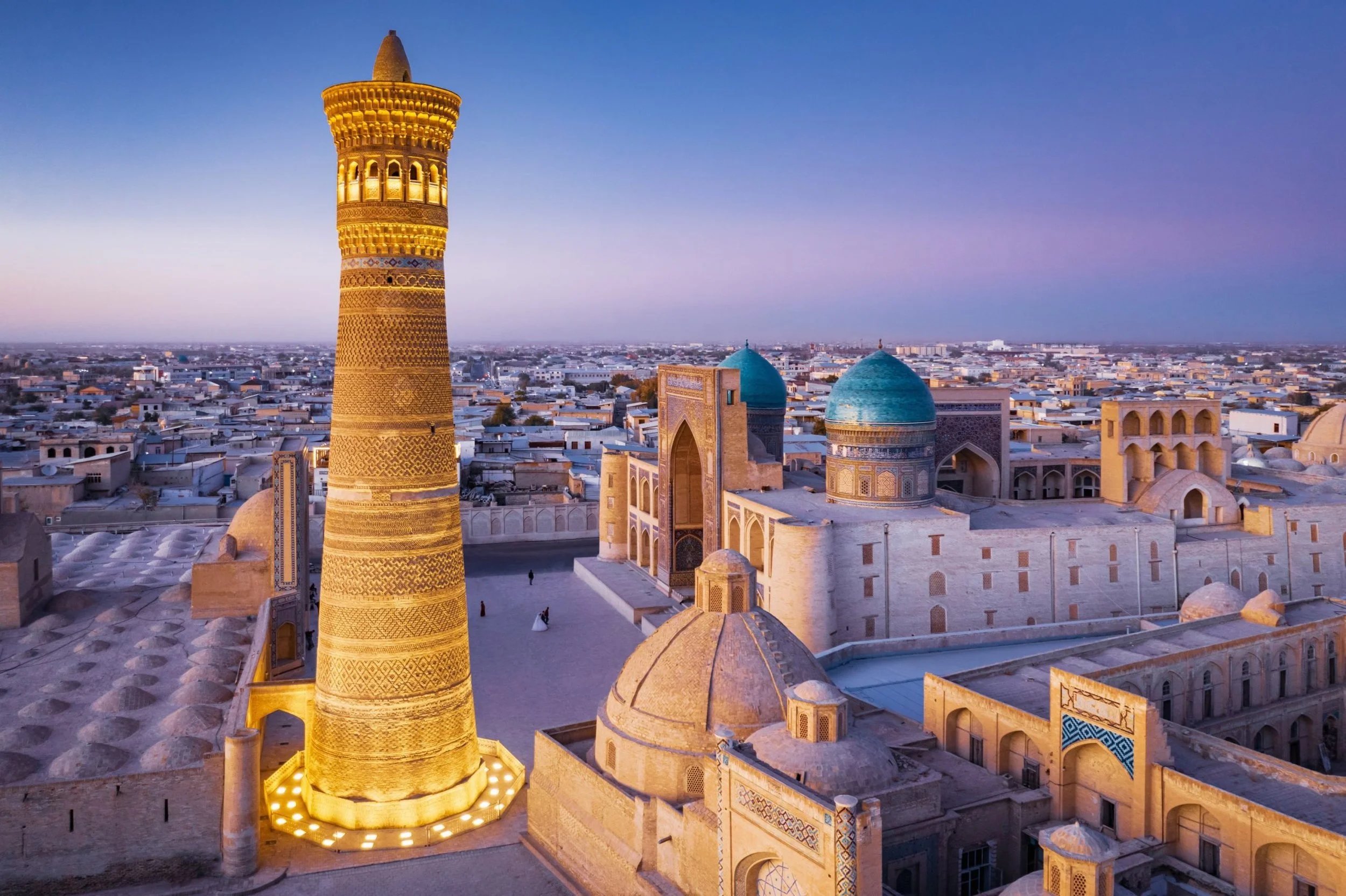
Bukhara: An intact historic center with Lyab-i Hauz pond, Ark Fortress, Kalon Minaret and Mosque, and a network of madrasahs and caravanserais.
Khiva: Walkable walled inner town (Itchan Kala) filled with restored palaces, minarets, and traditional houses.
Fergana Valley: Known for silk, ceramics, and crafts; cities like Kokand, Margilan, and Rishtan are craft centers.
Nuratau Mountains and Aydarkul Lake: Options for trekking, rural homestays, and experiencing rural Uzbek life.
Aral Sea region: For adventurous travelers interested in environmental history and stark, remote landscapes.
Cultural tips
Dress modestly when visiting religious sites—cover shoulders and knees; women may be asked to cover hair in some places.
Hospitality is important; it’s polite to accept tea when offered.
Bargaining is common in markets; do so respectfully.
Tipping: Not mandatory but appreciated—small tips for guides, drivers, and service staff are customary.
Cuisine to try
Plov (pilaf): National dish—rice cooked with meat, carrots, and spices.
Shashlik: Grilled meat skewers.
Manti: Steamed dumplings.
Samsa: Baked pastry filled with meat or pumpkin.
Lagman: Noodle soup or stir-fry.
Tea culture: Green or black tea is central to social life.
Travel to Tajikistan
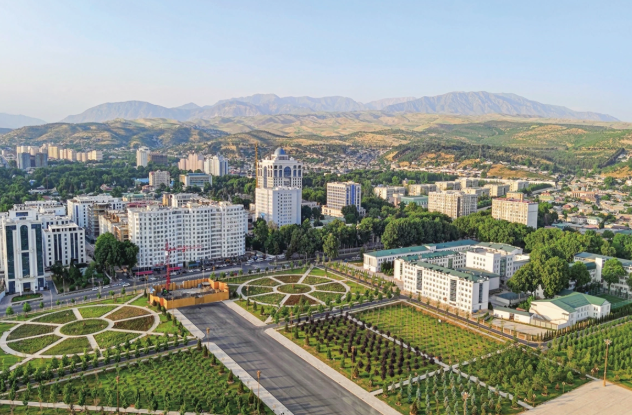
Overview Tajikistan is a mountainous, landlocked country in Central Asia known for dramatic Pamir and Fann Mountains, ancient Silk Road history, and warm, hospitable people. It’s ideal for trekking, high-altitude scenery, cultural encounters in small towns, and exploring rivers, lakes, and historical sites with minimal crowds.
When to go
Late spring to early autumn (May–September) for most trekking and highland travel. July–August offers warm valley weather but can be hot and dusty in lower areas.
June–September is best for Pamir Highway; snow can block high passes outside this window.
Winter travel is possible in Dushanbe and low valleys but mountain routes are often closed.
Entry and visas
Many nationalities require a visa. Check current requirements with your nearest Tajik embassy or consulate before travel.
Recent e-visa systems have been implemented but rules change; obtain visas and GBAO permits (for the Gorno-Badakhshan Autonomous Region/Pamir) as required. Plan for processing time.
Getting there and around
Fly into Dushanbe (the capital) or Khujand. International routes connect from Moscow, Istanbul, Dubai, Almaty
Place to visit in Uzbekistan
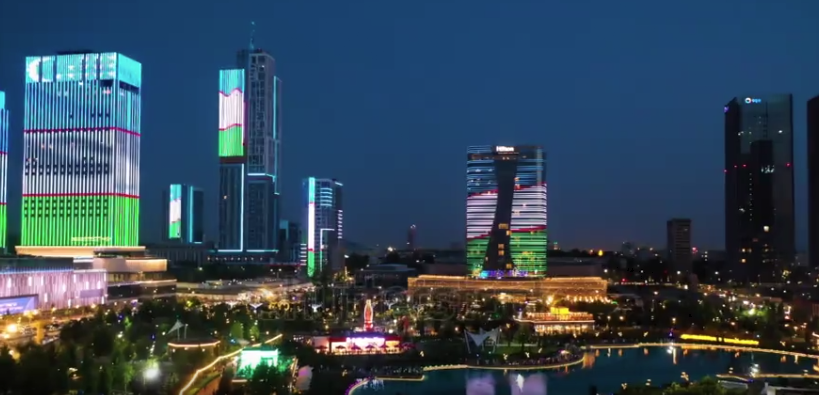
Tashkent — Uzbekistan’s capital and largest city — blends Soviet-era architecture, wide tree-lined boulevards, and a cosmopolitan energy rooted in centuries of Silk Road history.
Overview
Location: Northeastern Uzbekistan, near the Chirchiq River.
Population: About 2.5–3 million (metro).
Language: Uzbek (Cyrillic and Latin scripts), Russian widely spoken.
Climate: Continental — hot, dry summers and cool winters; best visited spring (April–June) or autumn (September–October).
What to see
Old City (Eski Shahar): Narrow lanes, traditional madrassahs, and the Hast-Imam complex — home to a famed 7th-century Quran manuscript and the Barak-Khan Madrassah.
Chorsu Bazaar: Vibrant, domed market where locals buy produce, spices, breads (non), and regional specialties — a sensory highlight.
Independence Square (Mustaqillik Maydoni): Monumental public space with fountains, museums, and government buildings reflecting 20th-century civic identity.
Amir Timur Square and statue: Central ceremonial square honoring the 14th-century conqueror, surrounded by theaters and hotels.
Tashkent Metro: Notable for ornately decorated stations; efficient and a cultural attraction in its own right.
Khast Imam Library and Museum: Islamic manuscripts and historical artifacts.
State Museum of History of Uzbekistan: Comprehensive national history from antiquity to modern times.
Fine Arts Museum and Navoi Opera: For visual and performing arts lovers.
Minor Mosque & Kukeldash Madrassah: Examples of restored architecture in the old city.
Neighborhoods and atmosphere
Yunusabad and Mirzo-Ulugbek: Residential neighborhoods with markets, cafés, and everyday life.
Broadway (Sailgoh/Alisher Navoi pedestrian area): Street performers, stalls, and a lively evening promenade.
International business district: Broad avenues, modern malls, and hotels reflect Tashkent’s role as a regional hub.
Food and dining
Local specialties: Plov (rice and meat), shashlik, manti (steamed dumplings), laghman (noodle dish), and samsa (savory pastries).
Tea culture: Tea houses (chaikhanas) remain social centers.
Range: From bustling bazaars and street stalls to refined Uzbek restaurants and international options in hotels.
Practical information
Currency: Uzbek som (UZS). Cash is commonly used; cards accepted at major hotels and shops.
Getting around: Metro is fast and cheap; buses and taxis (including ride-hailing apps) cover the city. Agree fare for street taxis if not metered.
Safety: Generally safe for tourists; usual precautions apply (watch belongings in crowded markets).
Connectivity: Many cafés and hotels offer Wi-Fi; SIM cards available at airports and shops.
Visas: Check current entry rules before travel; regulations have evolved in recent years to simplify tourist access.
Day itineraries (examples)
Half day: Chorsu Bazaar → Hast-Imam complex → walk Broadway / lunch at a chaikhana.
Full day: Independence Square → Amir Timur Square → State Museum → Navoi Opera evening performance.
Two days: Day 1 as above; Day 2 Tashkent Metro tour → Fine Arts Museum → shopping at local bazaars and modern malls.
Why visit Tashkent serves as an accessible introduction to Uzbekistan: a living, working city where centuries of history meet Soviet-era urban planning and contemporary Central Asian culture. It’s a practical base for onward travel to Samarkand, Bukhara, and Khiva while offering its own rich museums, markets, and culinary experiences.
Practical tips
Carry small bills and coins for market purchases and public transport.
Modest dress recommended for mosque visits.
Learn a few Uzbek or Russian phrases; locals appreciate the effort.
Allow time to acclimatize if arriving after long flights — the city’s pace rewards relaxed exploration.
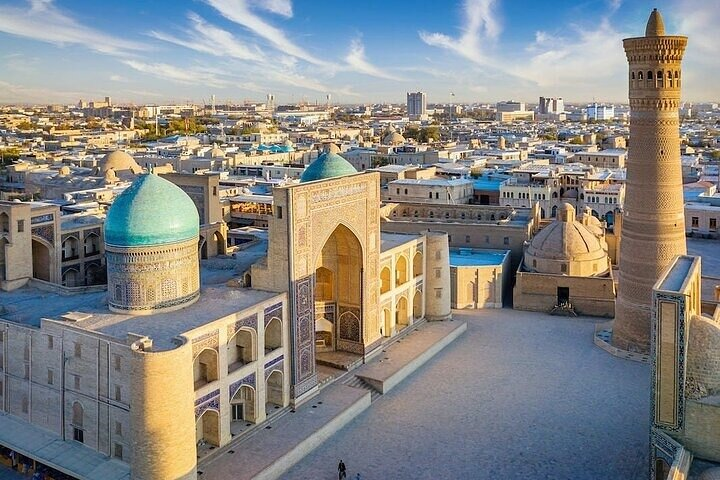
Bukhara
Bukhara is one of Central Asia’s most evocative cities, where over two millennia of history are concentrated within a compact, walkable old town. Located in modern-day Uzbekistan, it was a major stop on the Silk Road and an influential center of Islamic learning, culture, and architecture. Today Bukhara’s labyrinth of madrasas, mosques, caravanserais, and merchant domes offers an immersive glimpse into medieval urban life framed by enduring local traditions.
Highlights
Po-i-Kalyan Complex: The towering Kalyan Minaret (12th century) and the adjacent Kalyan Mosque and Mir-i-Arab Madrasa form the spiritual and visual heart of the city. The minaret’s brickwork and proportions are striking both by day and at night when it is illuminated.
Lyabi Hauz Ensemble: A peaceful plaza centered on a shaded pond, surrounded by 17th–18th century madrasas and tea-houses. It’s a social hub where locals and visitors gather to relax, drink tea, and listen to musicians.
Ark Fortress: The ancient citadel that served as the residence of Bukhara’s emirs. Explore its museums, throne room, mosque, and defensive structures to understand the political history of the region.
Samanid Mausoleum: A masterpiece of early Islamic architecture (10th century) and one of the best-preserved examples of pre-Mongol brick decoration and proportion in Central Asia.
Trading Domes (Toqi): Small covered bazaars where merchants historically sold silk, spices, jewelry, and crafts. They remain lively places to browse carpets, ceramics, and local textiles.
Chor-Minor: A whimsical gateway-like madrasa with four small minarets; an excellent photographic subject and a reminder of Bukhara’s diverse cultural influences.
Cultural Experiences
Tea and Hospitality: Sampling local tea in a teahouse or private home provides insight into Uzbek hospitality. Expect sweet green tea, samsa (savory pastries), and conversation.
Crafts and Workshops: Bukhara has living traditions of embroidery, metalwork, leathercraft, and carpet weaving. Workshops often welcome visitors to watch demonstrations and purchase directly from artisans.
Music and Storytelling: Traditional music and sung poetry are integral to local life—look for performances at cultural centers or small venues around Lyabi Hauz.
Practical Information
Best Time to Visit: Spring (April–June) and autumn (September–November) offer mild temperatures and clearer skies. Summers can be very hot; winters are cold with occasional snow.
Getting Around: The historic center is compact and best explored on foot. Taxis are inexpensive for longer distances within the city. Expect uneven pavements and narrow alleys—comfortable shoes are recommended.
Accommodation: Options range from boutique hotels housed in renovated madrasa buildings to modern hotels. Staying in or near the old town is the most convenient for sightseeing.
Local Customs: Dress modestly when visiting religious sites (shoulders and knees covered). Ask permission before photographing people, especially older residents.
Safety and Health: Bukhara is generally safe for tourists. Carry water, wear sun protection in summer, and take basic precautions for street food if you have a sensitive stomach.
Suggested Itineraries
Half-day: Po-i-Kalyan Complex, Samanid Mausoleum, quick walk through the trading domes.
Full day: Add the Ark Fortress, Lyabi Hauz (lunch/tea), Chor-Minor, and a visit to a craft workshop or small museum.
Two days: Take a slower pace—include evening time at Lyabi Hauz, a guided walking tour of the old town, and a visit to nearby rural attractions or a day trip to a silk-weaving village.
Why Visit
Bukhara distills centuries of Silk Road history into a human-scale city where monumental architecture and everyday life coexist. For travelers interested in history, architecture, and authentic cultural encounters, Bukhara offers a richly textured, highly photogenic experience that rewards slow exploration.
Samarkand
Overview Samarkand is one of the oldest and most storied cities in Central Asia, located in southeastern Uzbekistan. Positioned along historic Silk Road routes, it developed as a major cultural, commercial, and scientific center. The city’s architecture reflects a thousand-year layering of Persian, Turkic, Mongol, and Islamic influences, with monumental madrasas, mosques, mausoleums, and richly tiled public spaces.
Highlights and must-see sites
Registan Square: The heart of Samarkand and its most iconic ensemble, formed by three ornately tiled madrasas—Ulugh Beg, Sher-Dor, and Tilya-Kori—dating largely to the 15th–17th centuries. The square showcases exquisite mosaic work, geometric patterns, and commanding facades.
Gur-e-Amir Mausoleum: The tomb of Timur (Tamerlane) and members of his family. Noted for its distinctive azure dome, intricate interior tilework, and historical significance as a model for later Timurid architecture.
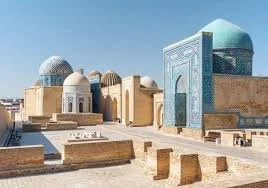
Shah-i-Zinda Necropolis: A remarkable alley of richly decorated mausoleums spanning several centuries. The site is valued for its luminous tile mosaics and the continuity of burial architecture from the 11th to 19th centuries.
Bibi-Khanym Mosque: Once one of the largest mosques in the Islamic world, constructed in the late 14th century under Timur. The restored remains and sweeping courtyard convey the ambition of Timurid monumental building.
Siab Bazaar (Siab Market): A lively, authentic marketplace adjacent to Registan where visitors can sample regional produce, spices, breads (including non/osh), dried fruits, and local handicrafts.
Ulugh Beg Observatory (Afrasiab area): The 15th-century observatory founded by the astronomer-king Ulugh Beg. Nearby, the Afrasiab archaeological site and museum display layers of ancient Samarkand, including murals and remnants of the Sogdian period.
Cultural notes
Samarkand’s cultural life combines Persianate literary and artistic traditions with Turkic influences. The city historically attracted scholars, astronomers, calligraphers, and craftsmen.
Local cuisine highlights include plov (Uzbek rice dish), shashlik, samsa (savory pastry), non (flatbread), and a variety of fruit-based desserts and dried fruits—reflecting the region’s long agricultural heritage.
Crafts: Samarkand is known for silk weaving, ikat textiles (abrbandi), pottery, enamel work, and intricate carved wood and metalwork.
Practical information
Best time to visit: Spring (April–June) and autumn (September–October) for mild temperatures and clearer skies. Summers are hot; winters can be cold.
Getting there: Samarkand is served by an international airport and is a major stop on Uzbekistan’s high-speed rail line connecting Tashkent and Bukhara. Overland travel from neighboring Central Asian cities is also common.
Transportation inside the city: Walking is often the best way to explore the historic center; taxis and rideshare services are readily available for longer trips.
Accommodation: Options range from boutique guesthouses and restored caravanserais to international hotels. Staying near Registan offers immediate access to the main monuments.
Visitor etiquette: Dress modestly when visiting religious sites. Photography is usually permitted at major monuments but check locally for restrictions in museums or inside certain mausoleums.
Conservation and visitor impact Samarkand’s architectural treasures have undergone extensive restoration in recent decades. Conservation work aims to balance structural stability with authentic materials and techniques; however, some restorations have attracted debate about historical accuracy. Visitors are encouraged to respect preservation rules, avoid touching fragile tiles and inscriptions, and follow pathways to protect fragile sites.
Suggested itineraries
Half-day: Registan Square, Siab Bazaar, quick visit to Bibi-Khanym Mosque.
Full day: Registan, Gur-e-Amir, Shah-i-Zinda, Siab Bazaar, evening walk around the illuminated monuments.
Two days: Add Ulugh Beg Observatory and Afrasiab museum, time for craft shops and a leisurely meal sampling regional dishes.
Why visit Samarkand offers an exceptional concentration of monumental Timurid architecture, a palpable Silk Road atmosphere, and rich layers of human history. For travelers interested in architecture, history, art, and culinary traditions, the city provides an immersive experience that links ancient trade routes to present-day cultural life.
Place to visit in Kyrgyzstan
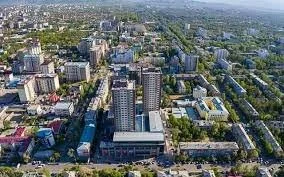
Bishkek city
Overview Bishkek is the capital and largest city of Kyrgyzstan, set against the northern foothills of the Tian Shan mountains. It blends Soviet-era wide boulevards and public squares with lively bazaars, green parks, and a growing café and cultural scene. The city is the primary gateway for travelers exploring Kyrgyzstan’s alpine landscapes, yurt stays, and Silk Road history.
Main neighborhoods and landmarks
Ala-Too Square: Central civic space framed by government buildings, monuments, and seasonal events. A focal point for national celebrations and demonstrations.
Oak Park (Dubovy Park): A leafy public park ideal for walks, local life observation, and small eateries.
Panfilov Park: Popular with families; features rides, cafés, and an atmosphere of everyday leisure.
Osh Bazaar: The city’s largest market where locals buy meat, produce, spices, household goods, and traditional crafts. A great place to sample street food and observe daily commerce.
State Historical Museum: Offers exhibits on Kyrgyz history, ethnography, and archaeological finds.
National Philharmonic and Opera House: Key venues for classical music and performing arts.
Victory Square and the Soviet-era monuments: Reflect the city’s historical layers and memorial culture.
Botanical Garden and Frunze House-Museum: For botanical interest and insight into Soviet history.
What to do
Walk Ala-Too Square at dawn or dusk to see local life and monuments with fewer crowds.
Stroll through Osh Bazaar to taste samsa, kurut, and tea; pick up felt crafts, yurt miniatures, and spices.
Visit museums for context on Kyrgyz culture and nomadic traditions.
Take advantage of Bishkek’s parks and cafés—people-watch and enjoy the city’s relaxed rhythm.
Sample Kyrgyz cuisine: beshbarmak, lagman, manti, and airan at local restaurants.
Day trips: Common departures include Ala-Archa National Park for hiking, Burana Tower near Tokmok, and alpine lakes like Issyk-Kul (longer drives).
Practical information
Climate: Continental, with cold winters and hot summers. Spring and autumn are mild and pleasant; summers can be hot but are dry.
Transportation: Taxis and ride-hailing apps are widely used; minibuses (marshrutkas) are inexpensive for local routes. Walking is feasible in the central districts.
Currency: Kyrgyz som (KGS). Cash is commonly used in markets; ATMs are available in the city.
Safety: Bishkek is generally safe for visitors but exercise normal urban caution, guard valuables in crowded markets, and be aware of occasional political demonstrations.
Language: Kyrgyz and Russian are widely spoken; English is increasingly used in tourist services but may be limited outside central areas.
Visas: Check current entry requirements before travel, as visa policies vary by nationality.
When to visit
Best time: Late spring (May–June) and early autumn (September–October) for mild weather and access to mountain excursions.
Peak season: Summer brings more tourists and warmer weather for high-altitude treks.
Traveler tips
Bargain politely in markets; cash is king for small purchases.
Dress modestly when visiting religious sites; seasons can be cold—layering is recommended.
Try local dairy products, especially kumis (fermented mare’s milk) and various cheeses.
Respect local customs and be mindful around government buildings and demonstrations.
Bishkek offers a practical, low-key base to explore Kyrgyzstan’s natural wonders and nomadic heritage while providing a glimpse of contemporary urban life in Central Asia.
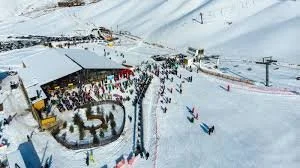
Chunkurchak
Chunkurchak is a small resort area and popular weekend getaway located on the northern shore of the Toktogul Reservoir in Kyrgyzstan. Nestled amid rolling foothills and summer pastures, it serves as a low-key retreat for residents from nearby cities—particularly Bishkek and the regional center of Toktogul—who come for swimming, boating, fishing, and simple lakeside relaxation.
What to expect
Scenery: Broad views of the Toktogul Reservoir (one of Kyrgyzstan’s largest artificial lakes), surrounding arid hills, and distant mountain ridgelines. Vegetation is sparse compared with alpine valleys; you’ll see steppe grasses, shrubs, and pockets of summer grazing.
Atmosphere: Unpretentious and functional. Chunkurchak is not a luxury resort but a local favorite for picnics, BBQs, and overnight stays in modest guesthouses, cabins, or privately run bungalows.
Activities: Swimming (in summer), small-boat cruising, angling for reservoir species, lakeside picnics, short hikes on nearby slopes, and photography of sunsets over the water.
Practical information
Getting there: The area is accessible by road. From Bishkek it’s a multi-hour drive depending on route and traffic; from Toktogul the approach is much shorter. Local marshrutkas and private taxis serve the route during peak season, but schedules can be irregular.
Best time to visit: Late spring through early autumn (May–September) for warm weather and open-water activities. Winters are cold and the reservoir can be icy; services are minimal in the off-season.
Accommodation: Options are basic—private guesthouses, simple wooden cabins, and small campgrounds. Expect clean but rudimentary facilities; bring essentials and cash, as card acceptance may be limited.
Food and supplies: A few small cafes and kiosks operate in high season serving grilled meats, salads, and tea; it’s wise to bring snacks, drinking water, and any specialty items you need.
Safety and comfort: Sun protection, insect repellent, and footwear suited to rocky or sandy shores are recommended. Mobile coverage is variable in pockets.
Why visit Chunkurchak is ideal for travelers seeking an authentic, inexpensive lakeside experience away from polished tourist circuits. It offers unhurried views, opportunities to interact with local families and fisherfolk, and straightforward outdoor recreation. For photographers and nature lovers who prefer calm, uncrowded spots, Chunkurchak provides a quiet, local flavor of Kyrgyzstan’s reservoir landscapes.
Tips
Combine a visit to Chunkurchak with other Toktogul Reservoir sites or a drive through the surrounding valleys for a fuller picture of the region.
Negotiate taxi fares beforehand for return trips, or confirm marshrutka times so you aren’t stranded.
Carry modest local currency for small purchases; ATMs and card facilities are limited outside larger towns.
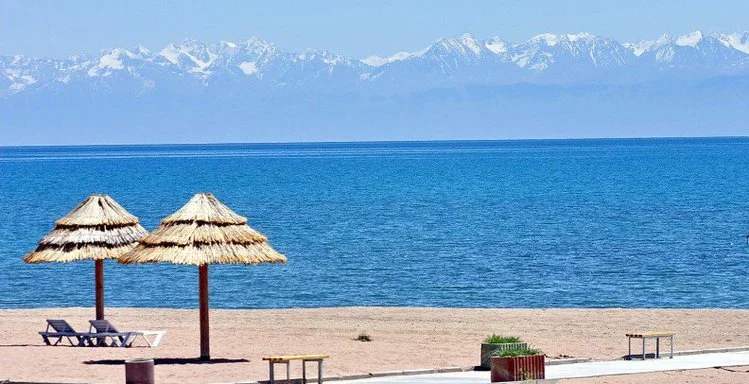
Issyk-Kul
Issyk-Kul is a vast alpine lake in northeastern Kyrgyzstan, renowned for its dazzling waters, dramatic mountain backdrop, and rich cultural history. At about 182 kilometers long and up to 60 kilometers wide, it is one of the world’s largest high-altitude lakes and remains unfrozen year-round due to its salinity and geothermal activity.
Highlights and Activities
Scenic drives and viewpoints: The road circling the lake offers panoramic views, especially along the northern shore between Balykchy and Cholpon-Ata and the quieter, rugged southern shore toward Jeti-Oguz.
Beaches and swimming: In summer, sandy and pebbled beaches around Cholpon-Ata, Korumdu, and Bokonbayevo are popular for swimming and sunbathing. Water is cool and clear.
Cultural sites: Cholpon-Ata hosts open-air petroglyphs dating from the Bronze Age, and the Rukh Ordo cultural complex presents Kyrgyz history and traditions. Local villages showcase yurt hospitality, felt-making, and horseback culture.
Horseback riding and trekking: The surrounding Tien Shan foothills offer short treks and multi-day routes, plus traditional horseback excursions led by local guides.
Water sports and fishing: Winds on parts of the lake make it suitable for sailing, windsurfing, and kiteboarding. Fishing is a local pastime—expect trout and other cold-water species; check regulations and local seasons.
Thermal springs: Nearby hot springs and sanatoriums provide relaxation after active days along the shore.
Winter scenery: Cold, crisp winter landscapes around the frozen shores contrast with the lake’s never-frozen central waters; fewer visitors make for tranquil photography and solitude.
Practical Information
Getting there: The closest regional hub is Bishkek (about 260 km west). Shared marshrutkas and private transfers run between Bishkek and towns on the lake; domestic flights to Karakol or small airstrips are occasional options.
Best time to visit: Late May through September for warm weather, full activity access, and festivals. Shoulder seasons (April–May, September–October) offer quieter conditions and lower prices; winters are very cold but scenic.
Accommodation: Options range from guesthouses and yurt stays to mid-range hotels and Soviet-era sanatoriums. Book ahead in peak summer.
Health and safety: Altitude is moderate but can affect sensitive travelers; bring sun protection and layers for strong mountain sun and cool evenings. Check road conditions during spring thaw and autumn storms.
Customs and etiquette: Respect local customs—ask before photographing people, remove shoes when entering homes, and be mindful of conservative dress in villages. Kyrgyz hospitality is warm: accepting tea offers and visiting a yurt with courtesy is customary.
Recommended Itineraries
Day trip from Bishkek: Early departure to Cholpon-Ata for petroglyphs and a beach visit, return to Bishkek late evening.
3–4 days: Bishkek → Cholpon-Ata (petroglyphs, beach) → Karakol (Russian Orthodox church, Dungan mosque, local markets) → Jeti-Oguz gorge → return.
7–10 days: Full lake circuit with trekking in Terskey Ala-Too, horseback riding, hot springs, village homestays, and cultural visits.
Why Visit Issyk-Kul combines dramatic natural beauty, outdoor adventure, and living cultural traditions in a single destination. Its accessible high-altitude setting, range of activities, and welcoming local communities make it a compelling choice for travelers seeking both relaxation and authentic Central Asian experiences.
place to visit
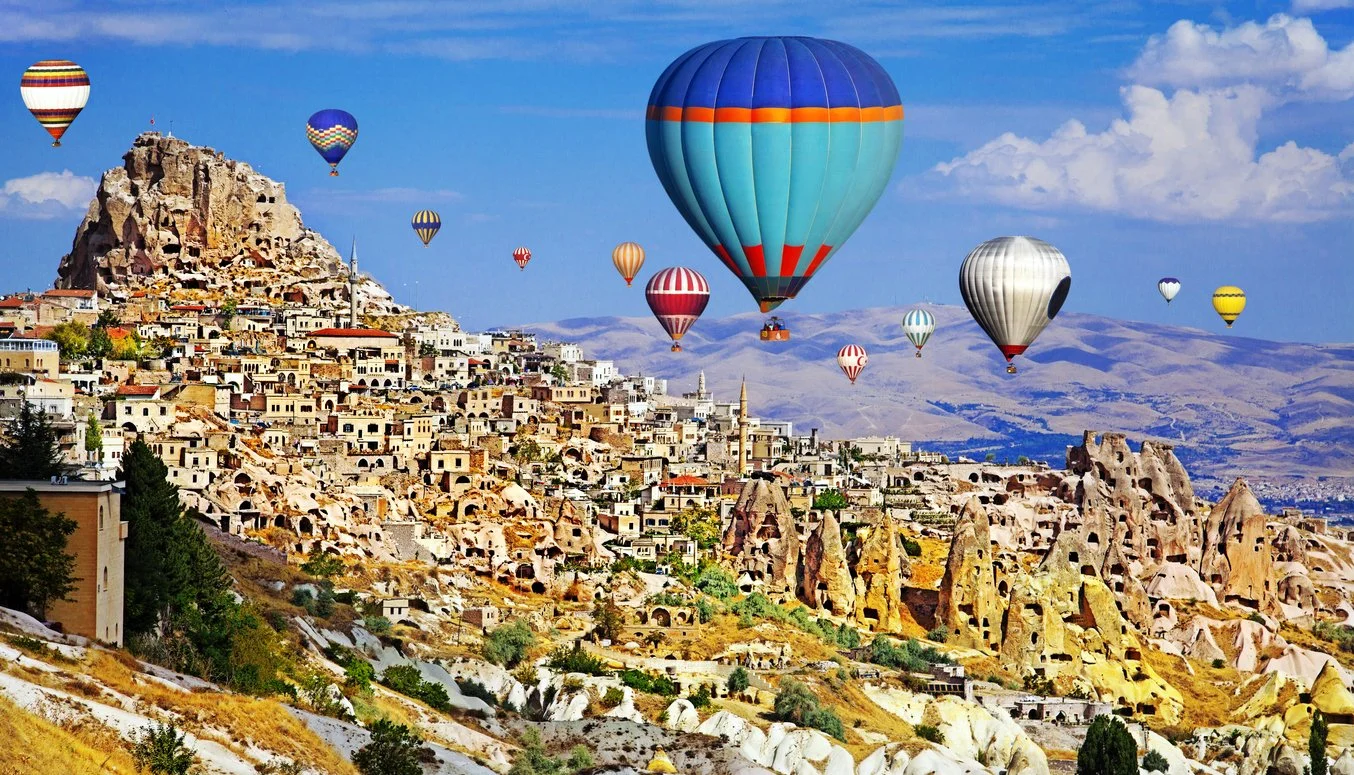
Turkey — where Europe meets Asia, history meets hospitality, and landscapes shift from turquoise coastlines to lunar-caped fairy chimneys. Below is a concise, practical guide to planning a trip that balances major sights with authentic experiences.
Why go
Rich historical layers: Hittite, Greek, Roman, Byzantine, Seljuk, Ottoman.
Dramatic and varied landscapes: Mediterranean beaches, Cappadocia’s volcanic rock formations, Taurus Mountains, Black Sea forests.
Culinary depth: regional specialties (meze, kebabs, baklava, gözleme, seafood).
Warm hospitality and accessible urban life with modern infrastructure.
When to travel
Best overall: April–June and September–October. Mild temperatures, fewer crowds.
Summer (July–August): Hot and crowded on the Aegean and Mediterranean coasts; good for beach-focused trips.
Winter (December–March): Skiing in Uludağ or Palandöken; quiet sightseeing in Istanbul, fewer crowds but shorter daylight.
Note: Ramadan observance varies; festivals and market hours can change.
Top places and what to do
Istanbul: Hagia Sophia, Topkapı Palace, Blue Mosque, Grand Bazaar, Spice Bazaar, Bosphorus cruise, neighborhoods (Sultanahmet, Beyoğlu, Karaköy, Kadıköy). Don’t miss a ferry ride between continents.
Cappadocia: Hot-air balloon at dawn, Göreme Open-Air Museum, underground cities (Derinkuyu, Kaymaklı), hiking in Rose and Pigeon Valleys, cave hotels.
Antalya & Turquoise Coast: Konyaaltı and Lara beaches, Old Town (Kaleiçi), Düden and Kursunlu waterfalls, day boat trips to Göçek and Kekova.
Ephesus & İzmir: Ephesus archaeological site, House of the Virgin Mary, Temple of Artemis (site), İzmir promenade and bazaars.
Pamukkale & Hierapolis: Travertine terraces, ancient thermal city ruins.
Black Sea region: Tea plantations around Rize, traditional wooden houses in Amasya, mountain hiking.
Southeastern Anatolia (Mardin, Gaziantep, Şanlıurfa): Distinctive architecture, world-class cuisine (Gaziantep pistachio baklava), ancient sites like Göbekli Tepe nearby.
Practical planning
Entry requirements: Check passport validity and visa requirements for your nationality; many visitors must obtain an e‑visa online before arrival.
Currency: Turkish lira (TRY). Credit cards widely accepted in cities; carry cash for markets and rural areas.
Language: Turkish. English widely understood in tourist areas; learn basic phrases to enhance interactions.
Transport: Domestic flights are frequent and affordable (Istanbul to Cappadocia/Antalya/Izmir). High-speed trains connect Istanbul–Ankara–Konya. Intercity buses are comfortable and extensive. Ferries: Istanbul and along the Aegean coast.
Safety and health: Turkey is generally safe for travelers; follow local advice, avoid demonstrations, secure belongings in crowded sites. Tap water is chlorinated—use bottled water if sensitive.
Connectivity: SIM cards available at airports; eSIM options increasingly common.
Cultural tips
Dress: Conservative dress is not required in tourist areas; however, dress modestly when visiting mosques — shoulders and knees covered, women may be asked to cover hair with a scarf provided at many sites.
Tipping: Common but not mandatory. 5–10% in restaurants if service is not included; small tips for guides, drivers, and hotel staff appreciated.
Bargaining: Expected in bazaars and for goods at markets; not appropriate in fixed-price shops.
Etiquette: Remove shoes when entering private homes; accept tea when offered as a sign of hospitality.
Sample itineraries (7–10 days)
7 days: Istanbul (3 days) — Cappadocia (2 days, includes balloon) — Konya or Ankara quick stop (optional) — Return via Istanbul.
10 days: Istanbul (3) — Ephesus/İzmir (2) — Pamukkale (1) — Fethiye or Antalya (3) for coast and boat tours.
Food to seek out
Street food: Simit (sesame bread ring), köfte (meatballs), dürüm (wrap), roasted corn.
Regional specialties: İskender kebab in Bursa, baklava in Gaziantep, kumpir in Ortaköy (Istanbul), çiğ köfte in Şanlıurfa, seafood along the Aegean.
Drinks: Turkish tea, Turkish coffee, ayran (yogurt drink), raki (anise spirit).
Useful packing list
Comfortable walking shoes
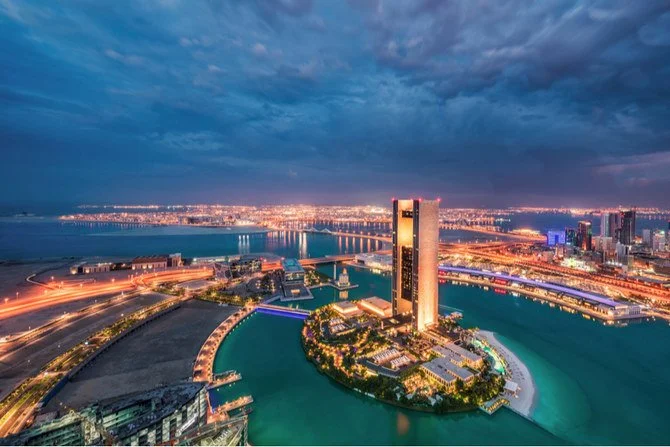
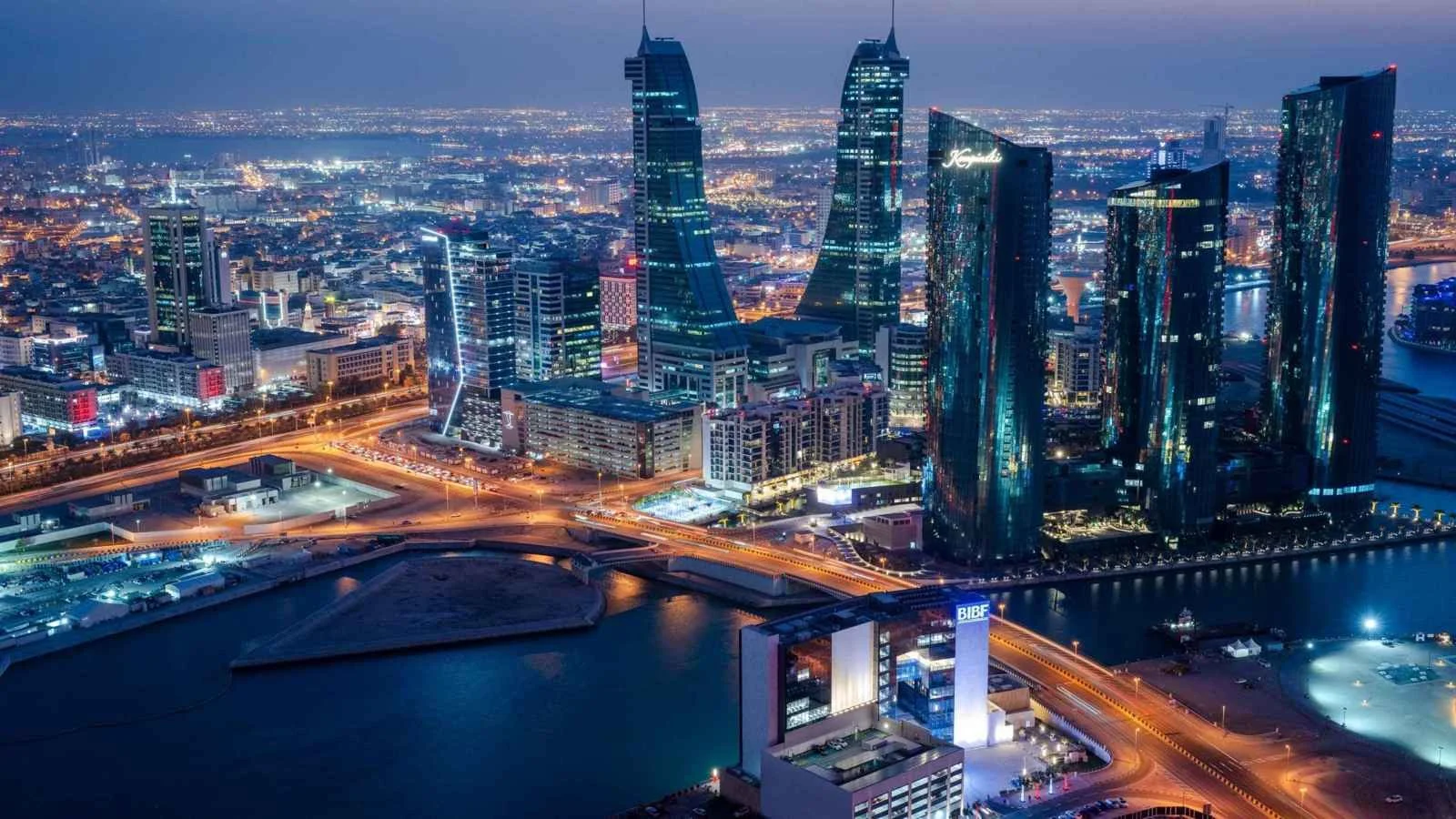
Bahrain — overview, when to go, what to see, practical tips
Overview Bahrain is a small island nation in the Persian Gulf that blends modern city life, rich history, and welcoming hospitality. Its compact size makes it easy to combine cultural attractions, waterfront leisure, and desert experiences in a short trip. Manama, the capital, is the main hub for museums, souqs, dining, and nightlife, while outlying islands and coastal areas offer forts, pearl‑diving history, and natural sites.
When to go
Best months: November–March. Temperatures are pleasant (60s–70s°F / 15–25°C) and humidity is lower. Ideal for sightseeing and outdoor activities.
Shoulder season: October and April. Warm days, fewer crowds than winter.
Avoid: June–September. Summer is extremely hot and humid (often above 100°F / 38°C); outdoor activity is limited and many travelers prefer to stay indoors or poolside.
Top sights and experiences
Bahrain National Museum (Manama): Comprehensive displays on the islands’ archaeology, pearl industry, and cultural history. A strong first stop for context.
Qal’at al-Bahrain (Bahrain Fort): UNESCO World Heritage site with ruins spanning Dilmun to Islamic periods; offers panoramic views at sunset.
Manama Souq: Narrow lanes with spices, perfumes, textiles, Bahraini silver and handicrafts; great for bargaining and people-watching.
Al-Fateh Grand Mosque (Great Mosque): One of the largest mosques in the world; visiting hours for non-Muslims are available with modest dress required.
Bahrain World Trade Center & Financial Harbor: Contemporary waterfront architecture and upscale dining.
Bahrain International Circuit (Sakhir): Home of motorsport events including Formula 1; check the calendar for races and track days.
Pearling Trail: Historic sites connected to the pearl-diving era; a UNESCO-listed cultural route in Muharraq.
Muharraq Island: Restored merchant houses, local cafés, and a quieter, more traditional atmosphere than Manama.
Royal Camel Farm and Al Areen Wildlife Park: Family-friendly wildlife experiences and desert flora/fauna.
Tree of Life: Solitary, ancient tree in the desert; an iconic and photogenic curiosity.
Day trips and watersports: Jet-skiing, sailing, and fishing are popular; islands and beaches are reachable by short drives or boat trips.
Culture and etiquette
Dress: Bahrain is relatively liberal by regional standards. Conservative dress is appropriate in religious sites and rural areas—cover shoulders and knees; women may be asked to wear a headscarf at some mosques. Beachwear is acceptable at private hotel beaches and pools but not in public streets.
Greetings: A handshake is common for men; wait to see if a woman offers her hand. Use respectful language; modest behavior in public.
Alcohol: Available in licensed hotels, bars, and some restaurants. Public intoxication is illegal.
Ramadan: During the holy month, avoid eating, drinking, or smoking in public during daylight hours out of respect.
Practical information
Entry and visas: Many nationalities receive a visa on arrival or eVisa. Check current visa rules before travel. Passport should be valid for at least six months.
Language: Arabic is official; English is widely spoken in business, tourism, and service sectors.
Currency: Bahraini Dinar (BHD). Credit cards are widely accepted; ATMs available. Keep in mind currency exchange and tipping norms.
Transport: Taxis, ride‑hailing apps, and rental cars are common. Traffic can be busy during rush hours. Distances are short; day trips are easy by car.
Safety: Bahrain is generally safe for travelers; exercise normal precautions, watch for traffic, and follow local laws.
Health: Tap water is treated and generally safe in urban areas, but many travelers prefer bottled water. Carry sunscreen and stay hydrated in hot months.
Sample itineraries
2-day weekend: Day 1 — Manama: Bahrain National Museum, Al-Fateh Mosque, Manama Souq, waterfront dinner. Day 2 — Qal’at al-Bahrain, Muharraq and Pearling Trail, relaxed afternoon at a hotel beach or spa.
4-day cultural and motorsport mix: Day 1 — arrival and souq; Day 2 — Bahrain National Museum and fort; Day 3 — Sakhir for a circuit experience or motorsport event; Day 4 — Muharraq, Tree of Life, departure.
7-day relaxed trip: Combine Manama highlights, multiple beach/resort days, desert excursions, wildlife park
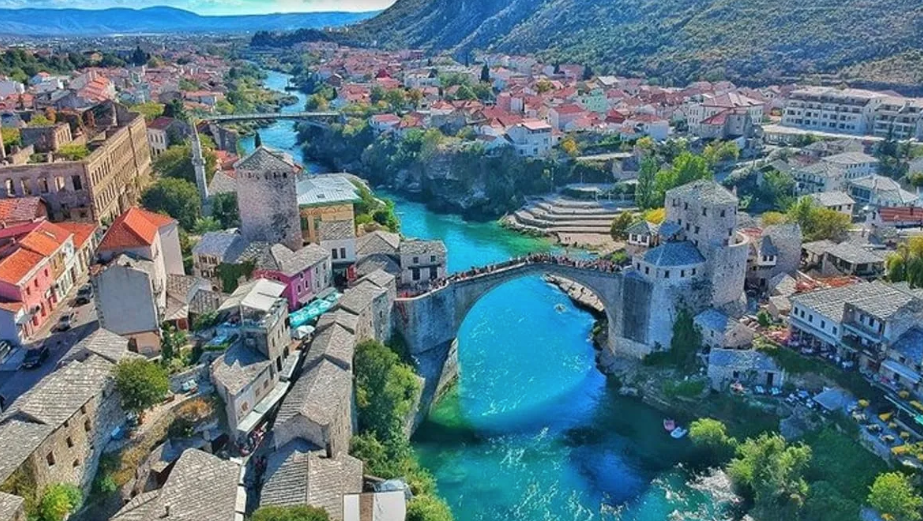
Travel to Bosnia
Why go Bosnia and Herzegovina blends dramatic natural landscapes, rich history, and vibrant cultural crossroads. From the Ottoman-influenced streets of Sarajevo to the Ottoman-era bridge of Mostar, and the rugged mountains and rivers ideal for outdoor activities, Bosnia offers a compact, rewarding itinerary for history lovers, culture seekers, and adventure travelers.
Highlights
Sarajevo: Old Town (Baščaršija), Latin Bridge (site near the assassination that sparked World War I), Sebilj fountain, Gazi Husrev-beg Mosque, museums (War Tunnel Museum, Sarajevo Haggadah).
Mostar: Stari Most (Old Bridge) and old bazaar, Koski Mehmed Pasha Mosque for views, local arts and crafts, celebrated bridge divers.
Mostar to Blagaj: Dervish tekke at the spring of the Buna River—stunning setting and Ottoman architecture.
Pocitelj: well-preserved medieval and Ottoman village perched above the Neretva River.
Kravica Falls: accessible waterfalls with swimming and picnic opportunities.
Konjic: Tito’s bunker (Bunker ARK), old town, and Aquila rafting on the Neretva.
Sutjeska National Park: ancient primeval forest (Perućica), Maglić (the country’s highest peak), excellent hiking.
Una National Park: pristine rivers, waterfalls, canoeing, and rafting.
Jajce: medieval fortress, Pliva Waterfall in the town center, and traditional watermills at Pliva Lakes.
Trebinje and Herzegovina wineries: Mediterranean-influenced cuisine and local wines.
Practical information
Entry and visas: Many nationalities
Our Policy
Exchange Policy
For exchange requests, please contact us in advance to confirm the new date and itinerary. Exchanges cannot be finalized without prior confirmation from our team. Provide your booking reference, preferred new date(s), and any itinerary changes when you contact us so we can verify availability and update your reservation. Additional fees or restrictions may apply depending on the tour and timing.
Refund Policy
Refunds Not Allowed After Payment
Please note that once payment has been completed, refunds are not permitted. This policy applies to all bookings, services, packages, and add-ons provided by Central Asia Voyages. By completing your payment, you acknowledge and accept this no-refund policy.
Exceptions
Refunds may be considered only in exceptional circumstances, such as demonstrated proof of service failure directly attributable to our company, or as required by applicable consumer protection laws. Any exception is at the sole discretion of Central Asia Voyages and requires written approval.
Requests and Documentation
To request an exception, submit a written request with supporting documentation (receipts, photos, communications, medical certificates, etc.) within 7 days of the occurrence.
All requests will be reviewed and a decision will be communicated in writing within 14 business days.
Credits and Changes
Where refunds are not permitted, we may offer travel credits or the option to change dates or services subject to availability and any applicable fee. Credits, if issued, will have an expiration date specified at the time of issuance.
Cancellation by Company
If Central Asia Voyages cancels a booking for reasons within our control, you will be offered a choice of full credit for future travel or a refund. If cancellation is due to force majeure or events outside our control, our liability will be limited as described in our full terms and conditions.
Contact
For questions or to submit
Commitment to Informed Exploration
Founded to elevate travel standards, the team aggregates verified data, regional expertise, and logistical proficiency to produce reliable guidance.
Follow for Real-Time Updates
Request a Tailored Proposal
Provide travel objectives and constraints, and an advisor will respond with a customized strategy.